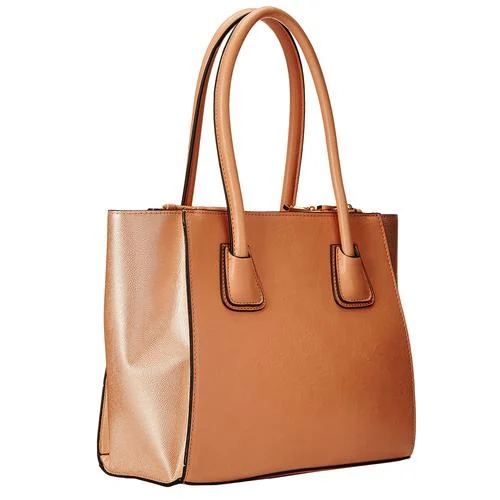
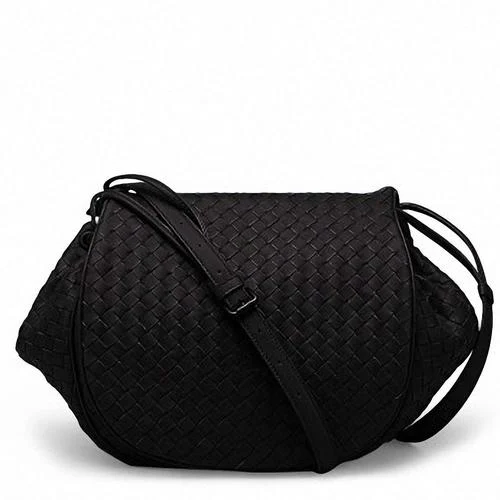
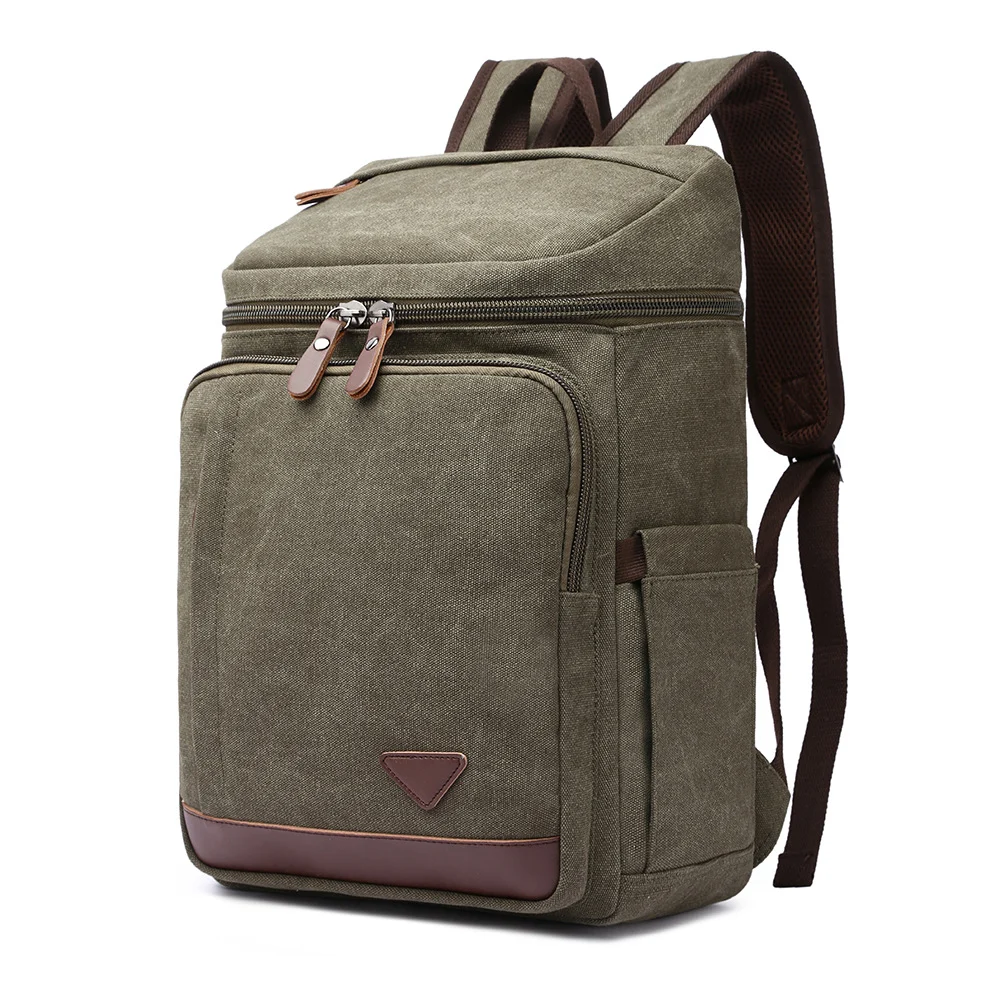
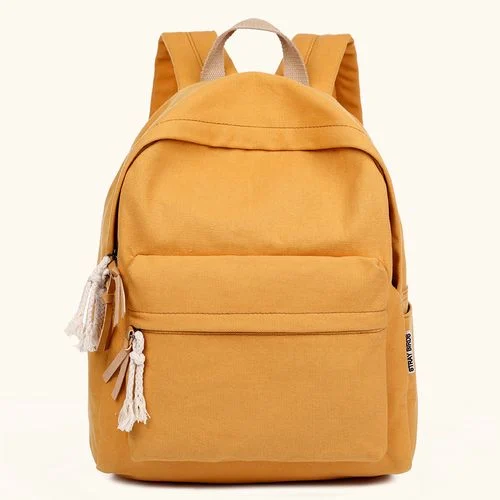
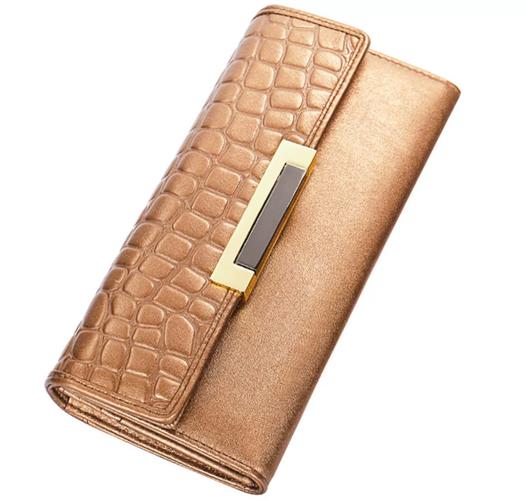
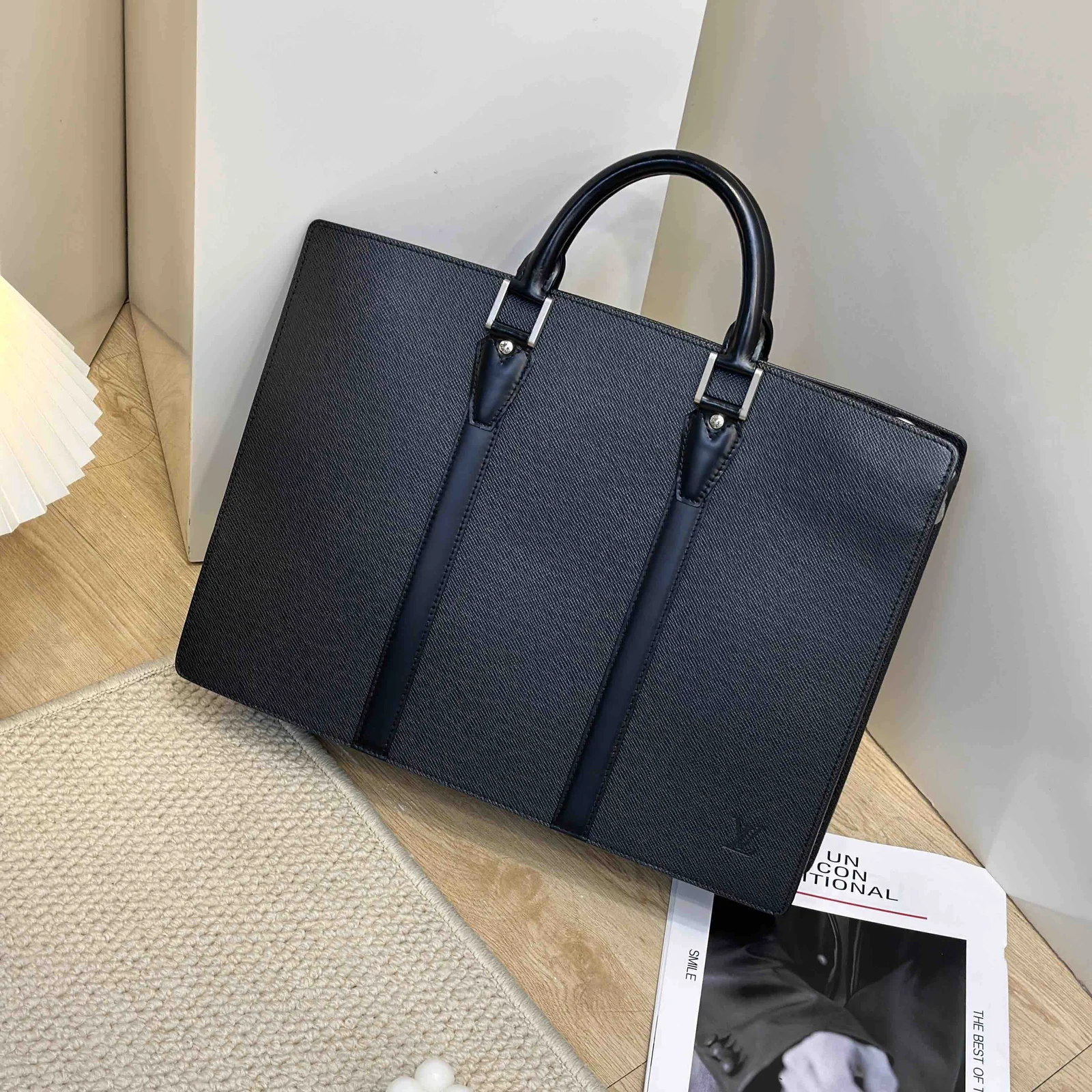
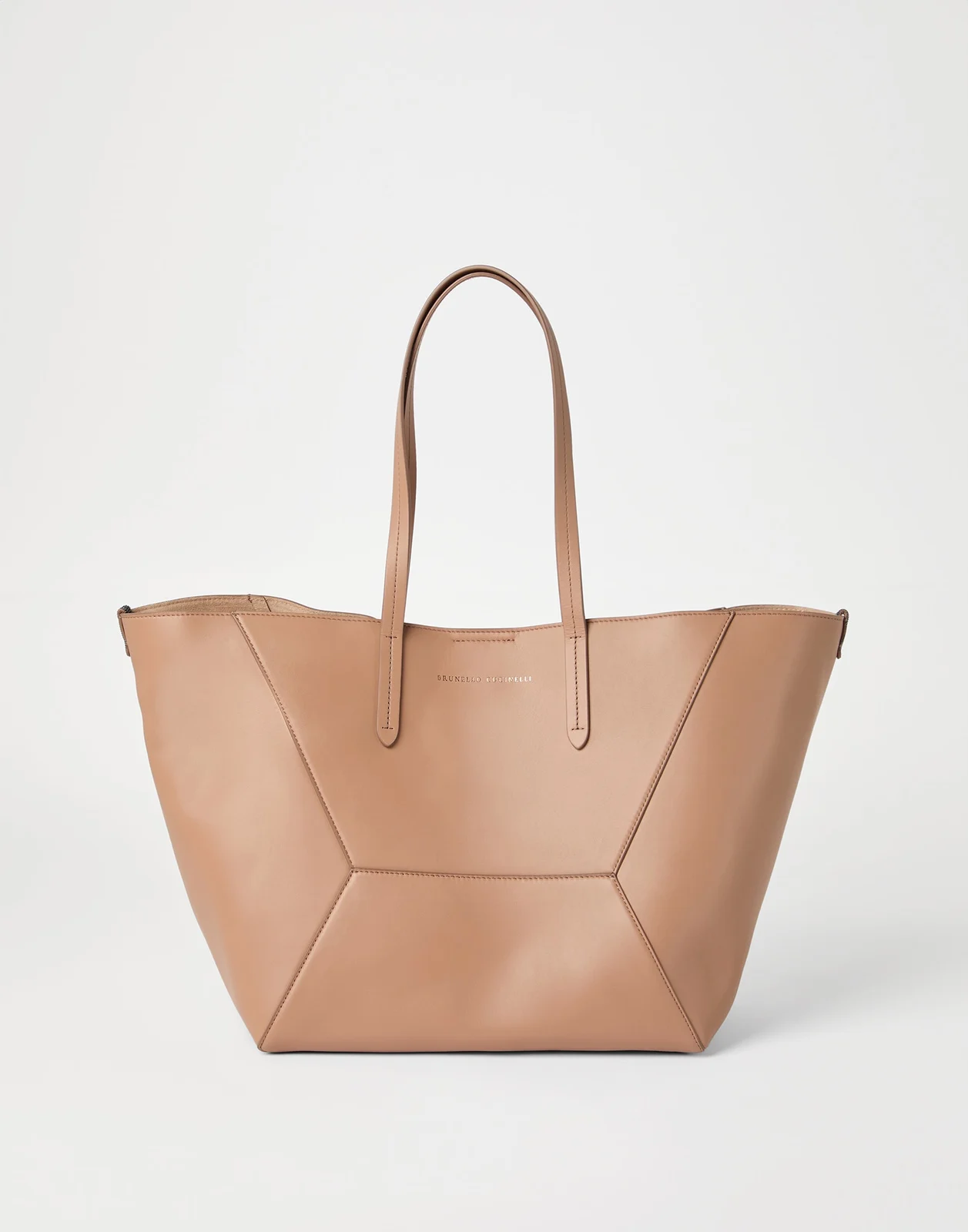
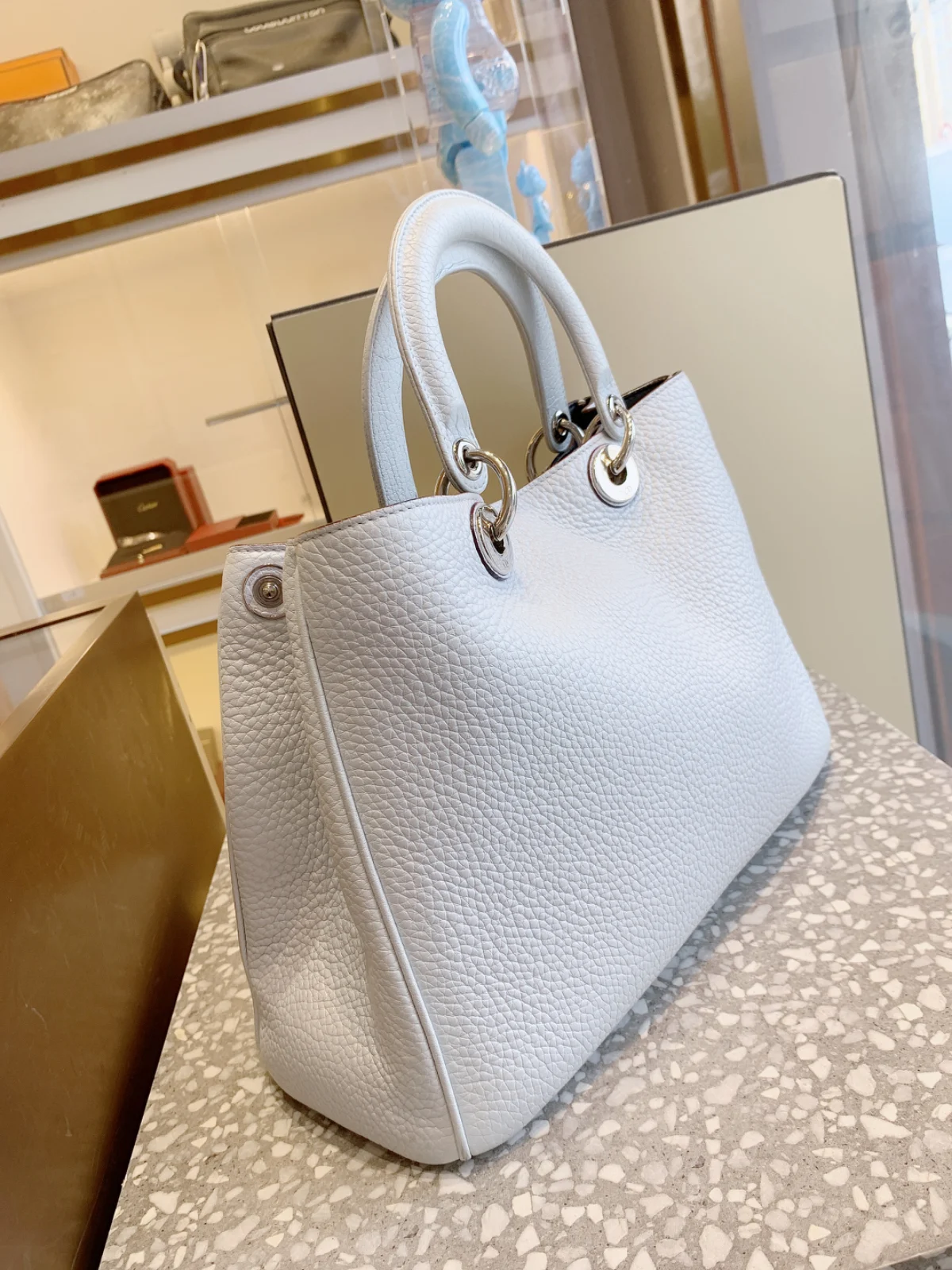
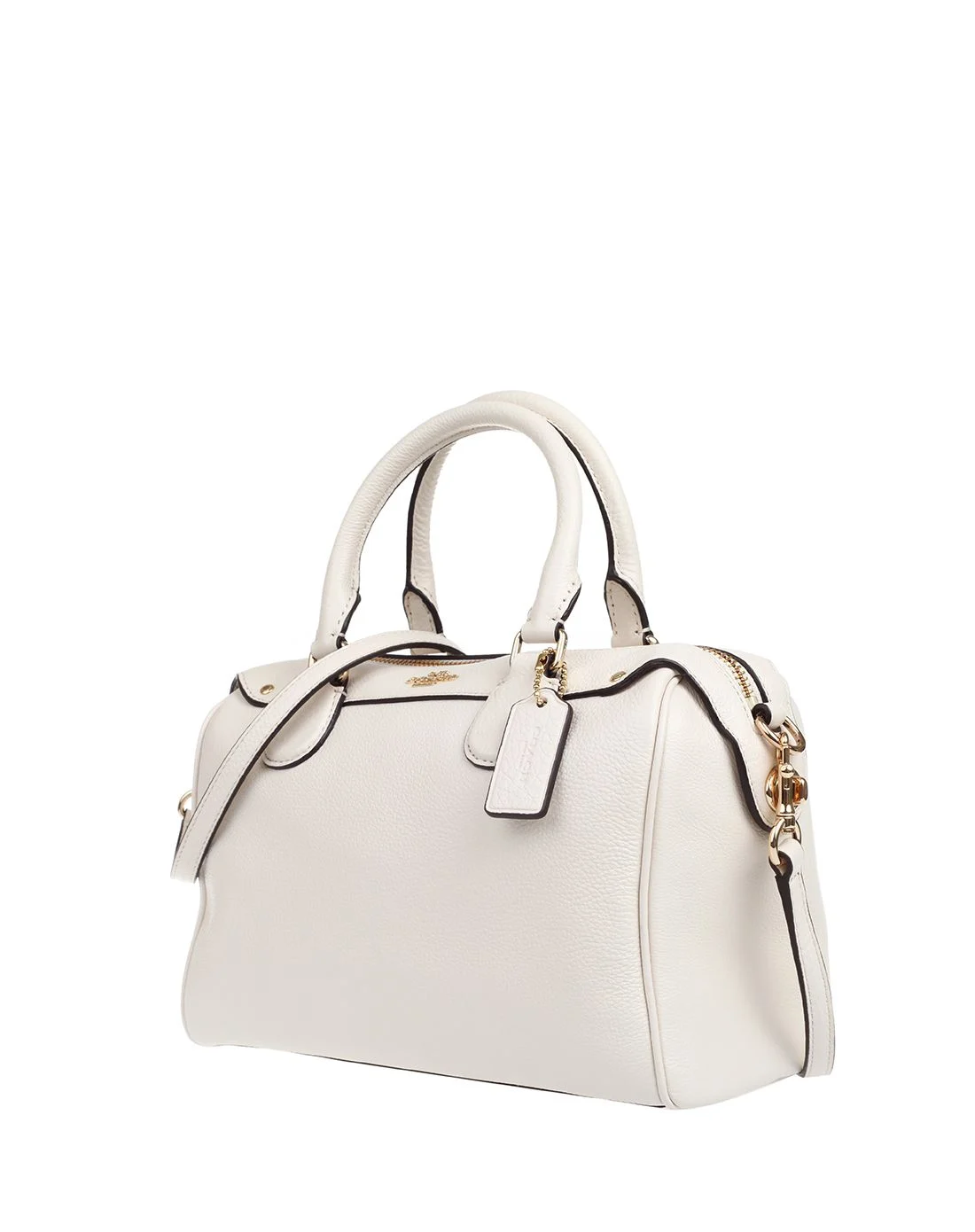
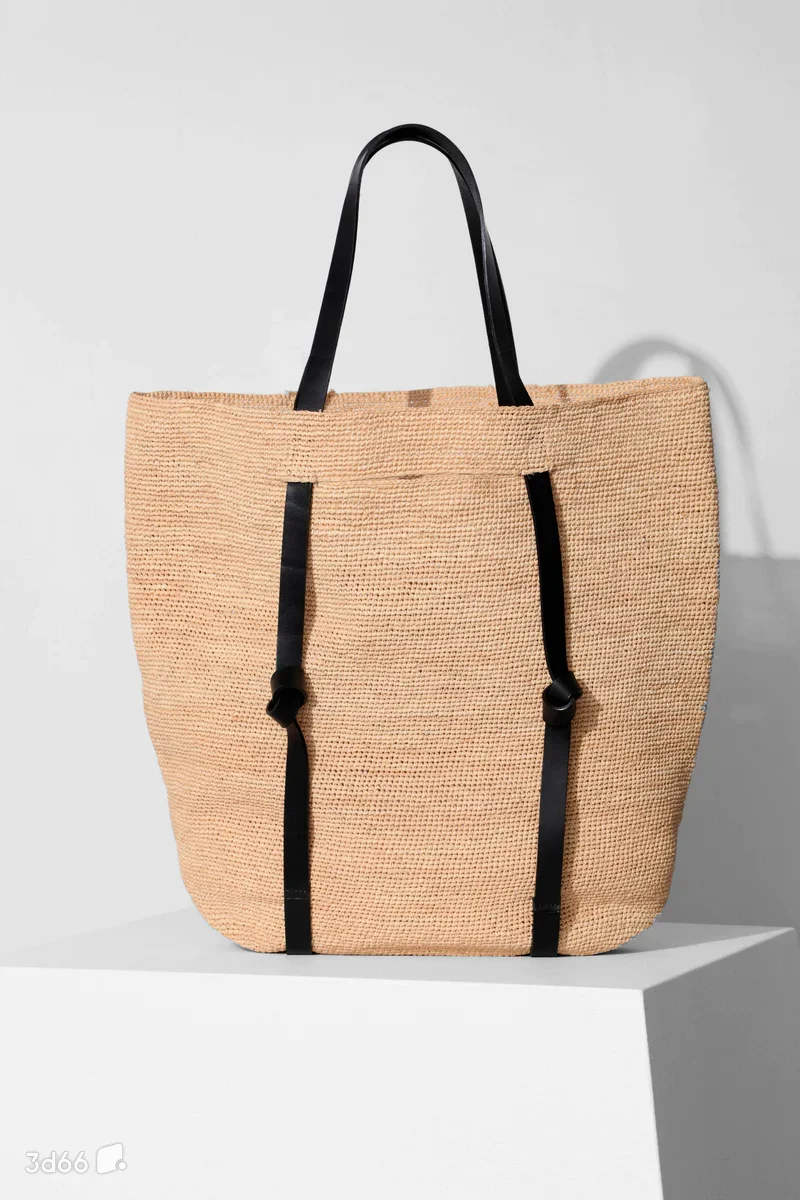
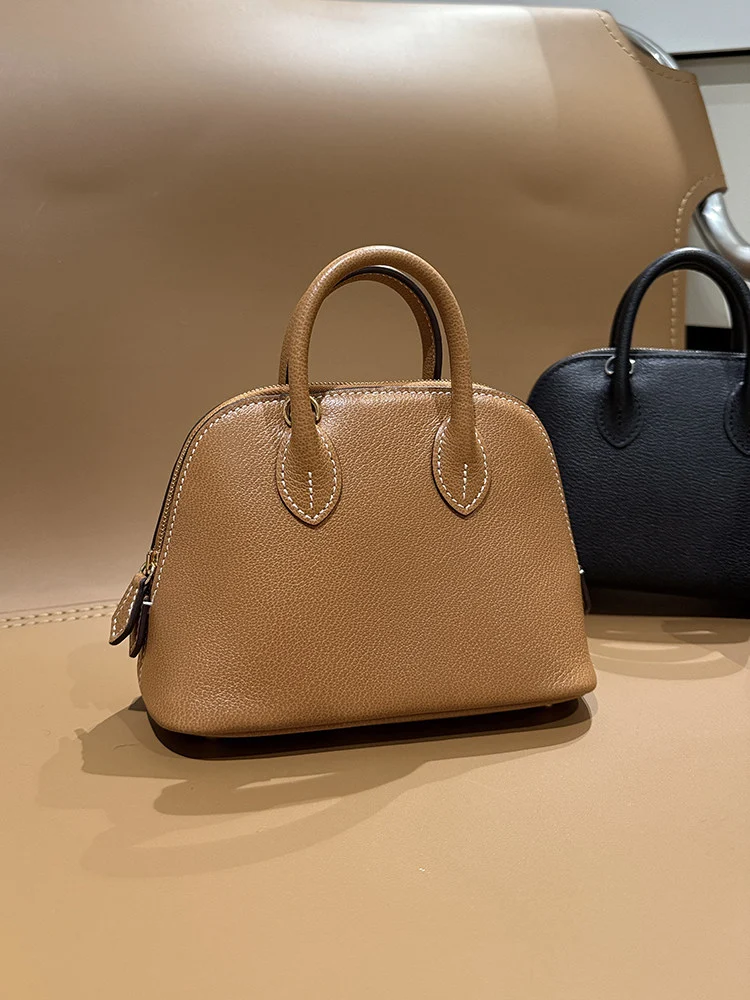
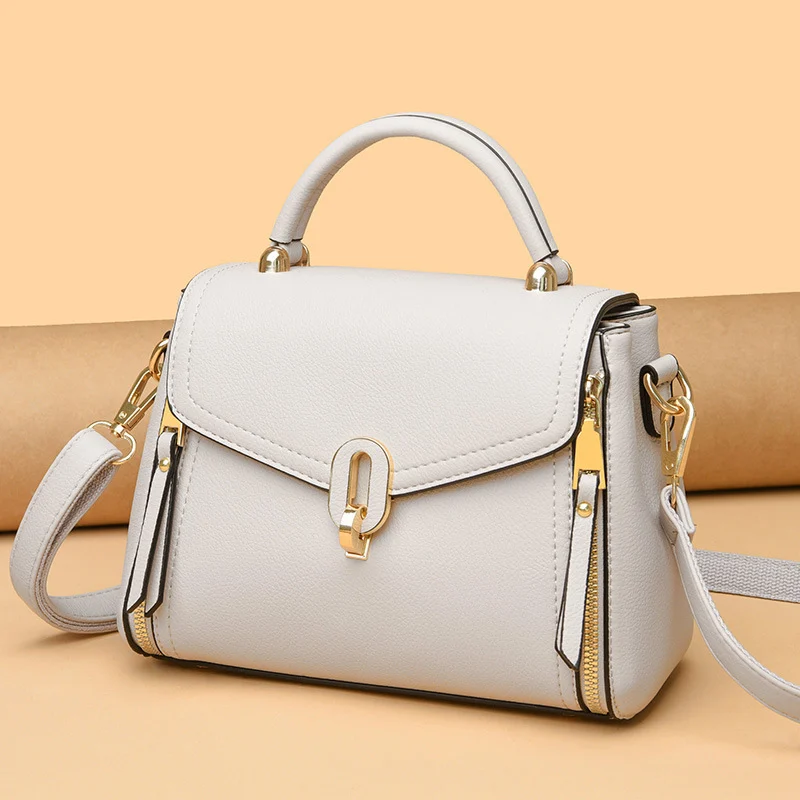
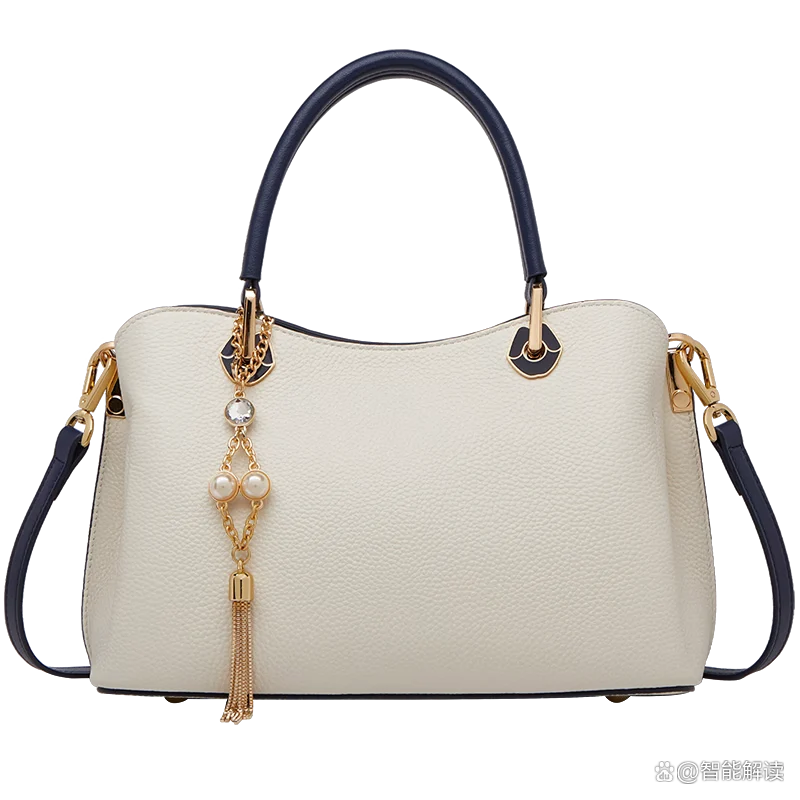
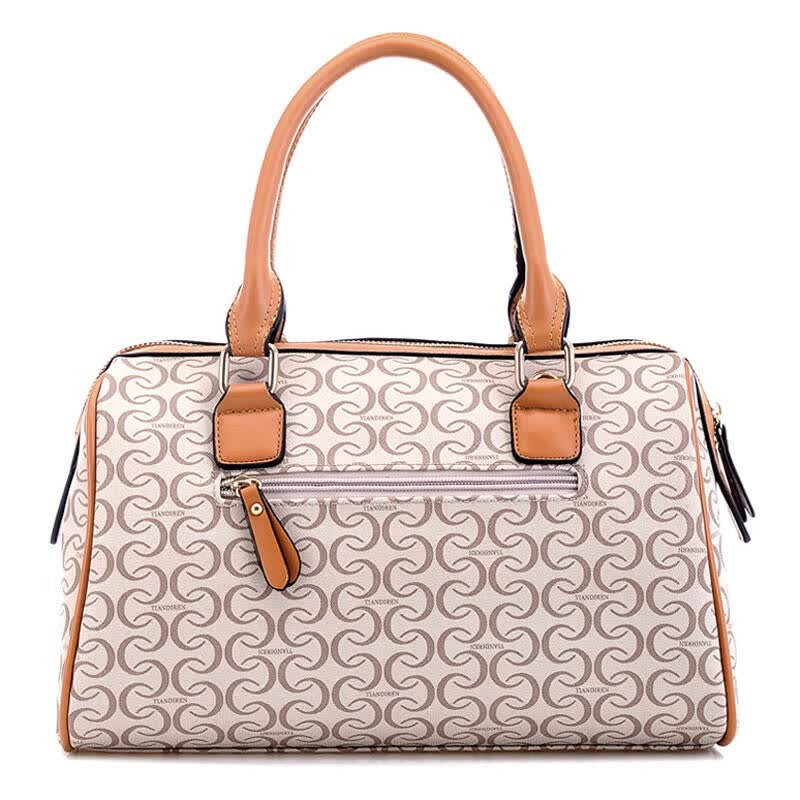
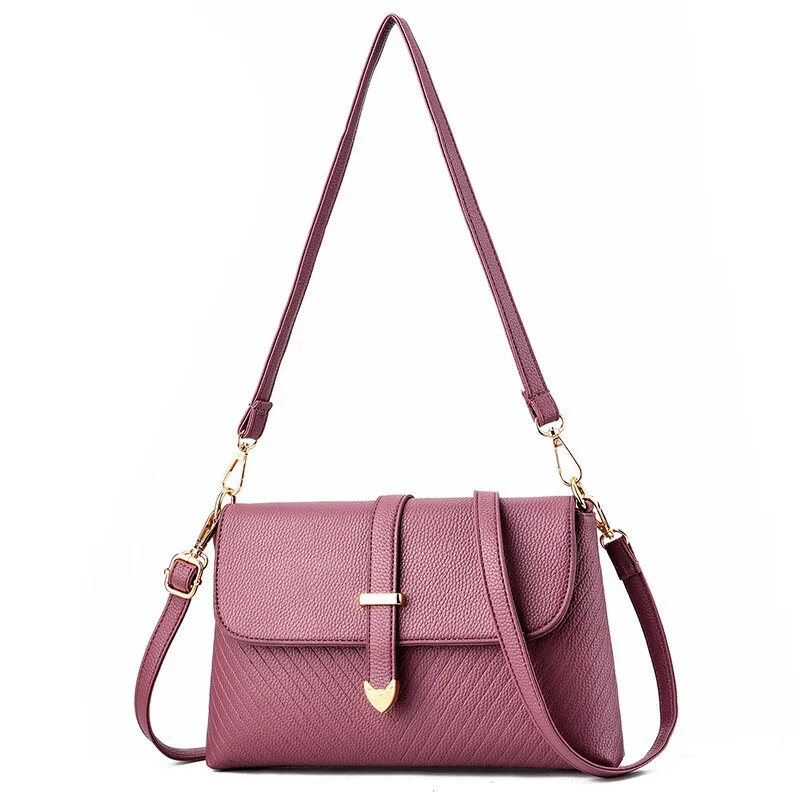
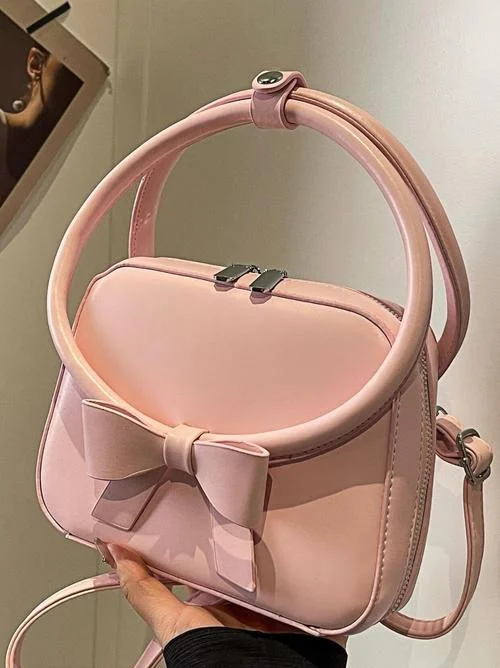
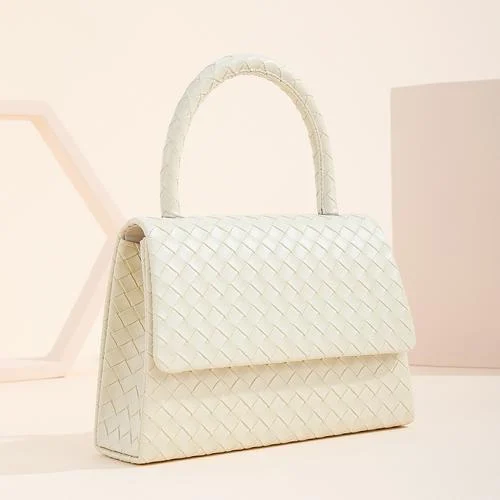
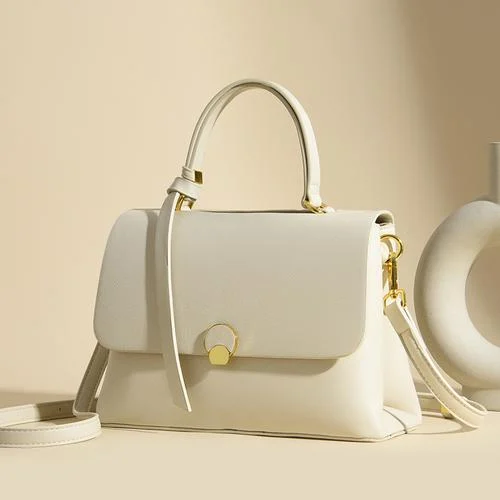
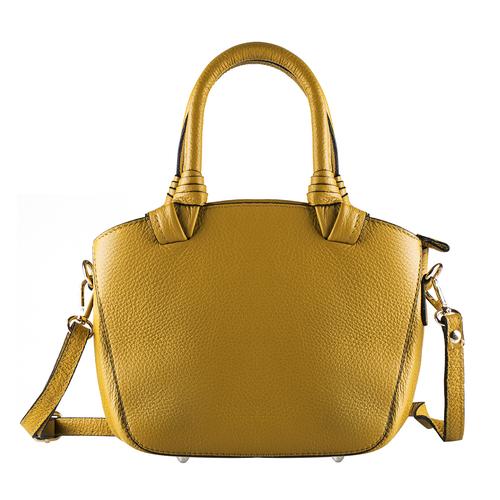
Five bag categories, with fifteen handbag styles photographed.
Handbags, crossbody and shoulder bags, backpacks, school bags and wallets — with briefcases, computer bags and casual bags produced alongside them. The handbag range below is photographed style by style: each entry is a separate pattern, not a colourway. Names are descriptive labels written from the photographs, so confirm exact model details with our team.
Each category starts from a different carrying question — structure for the commute, strap length for daily wear, capacity for campus, folding for small goods. Open one to see how that part of the range is built.
Four photographed styles: a black woven crossbody, a black quilted small crossbody, a brown crossbody and a black gathered shoulder bag. Drop length, closure and body weight decide the fit.
Four photographed backpacks — structured front-pocket, double-zip, blue zipped and grey vertical-zip — developed around volume, back panel and compartment layout.
Briefcases, computer bags and casual bags are produced alongside these five categories. Tell us the market and quantity you are buying for, and our team will share the styles available in that range.
Style names on this site are descriptive labels written from the photographs. They are not model codes — ask our team to confirm the exact reference for any style.
The photographs show the finish as built. Before a style goes into production, these four points are what our team settles with you — and what changes the cost and the lead time most.
Anything not visible in a photograph — lining, internal pockets, hardware grade — is confirmed in writing rather than assumed.
Choose the silhouette first
Tote, flap, dome, satchel or structured frame decides how the bag is used and how it holds shape. Hardware and colour come after the shape is settled.
Match material to handling
Smooth leather reads formal, pebbled leather hides marks, and woven surfaces keep weight down. Ask for a physical swatch rather than judging from a screen.
Decide hardware and lining together
Clasp, zip, ring and lining form one specification. Locking them together now means repeat orders can be matched later.
Settle branding before cutting
Embossing, labels, hang tags and tassels all sit on the finished style, so artwork and placement need approval before production starts.
Beyond the photographs
A catalogue is a starting point, not the limit.
Our design team can rework a silhouette, change hardware and finishing, or develop a style from your own requirement. ODM orders are welcome when the shape is right and only the branding needs to change.